Milk & Cheese
A small herd, milked twice a day in the barn — early morning and late afternoon, both on the schedule if you want to watch. Most of it goes to the creamery next door, where the fresh cheeses are ready in a day or two and the aged wheels sit on the racks for months before anyone cuts one.
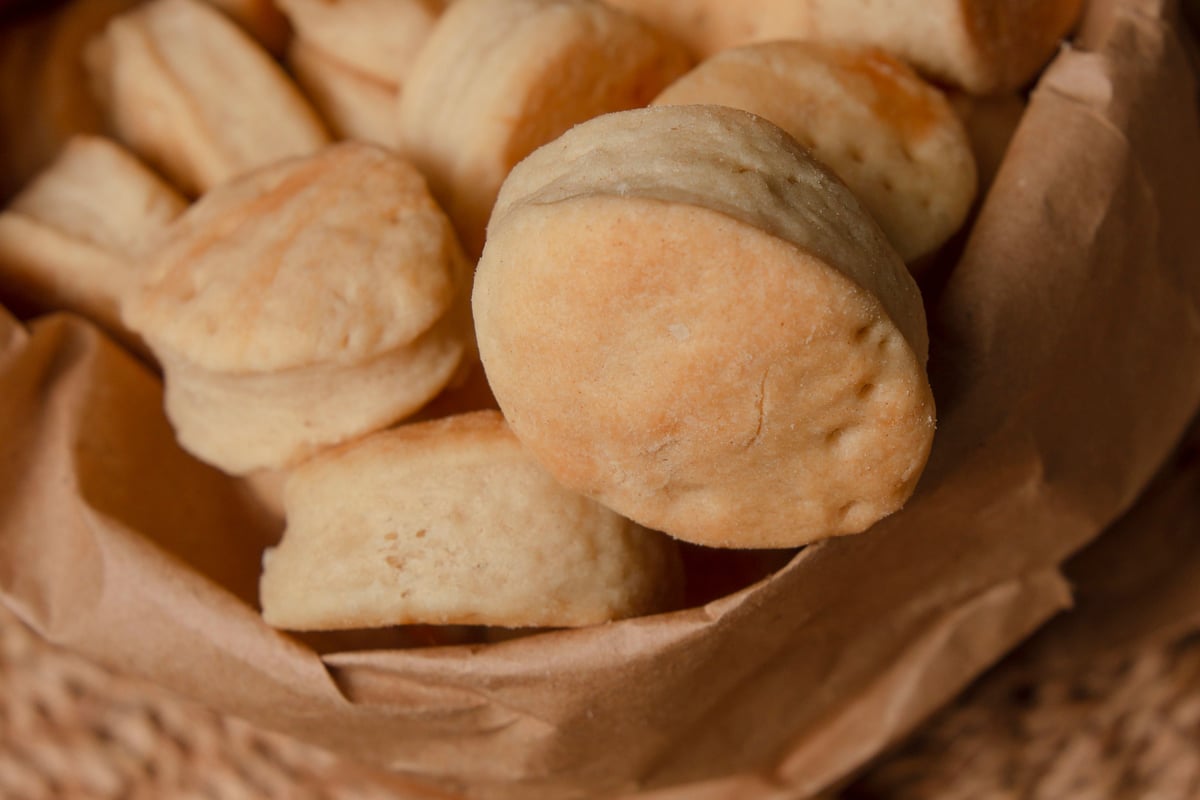
At the Smokehouse
The buttermilk is what's left after churning, and it does two jobs here: the ranch on the table and the biscuits under everything else. Both are better for it than the versions made with milk, which is the entire reason the churn is still running.
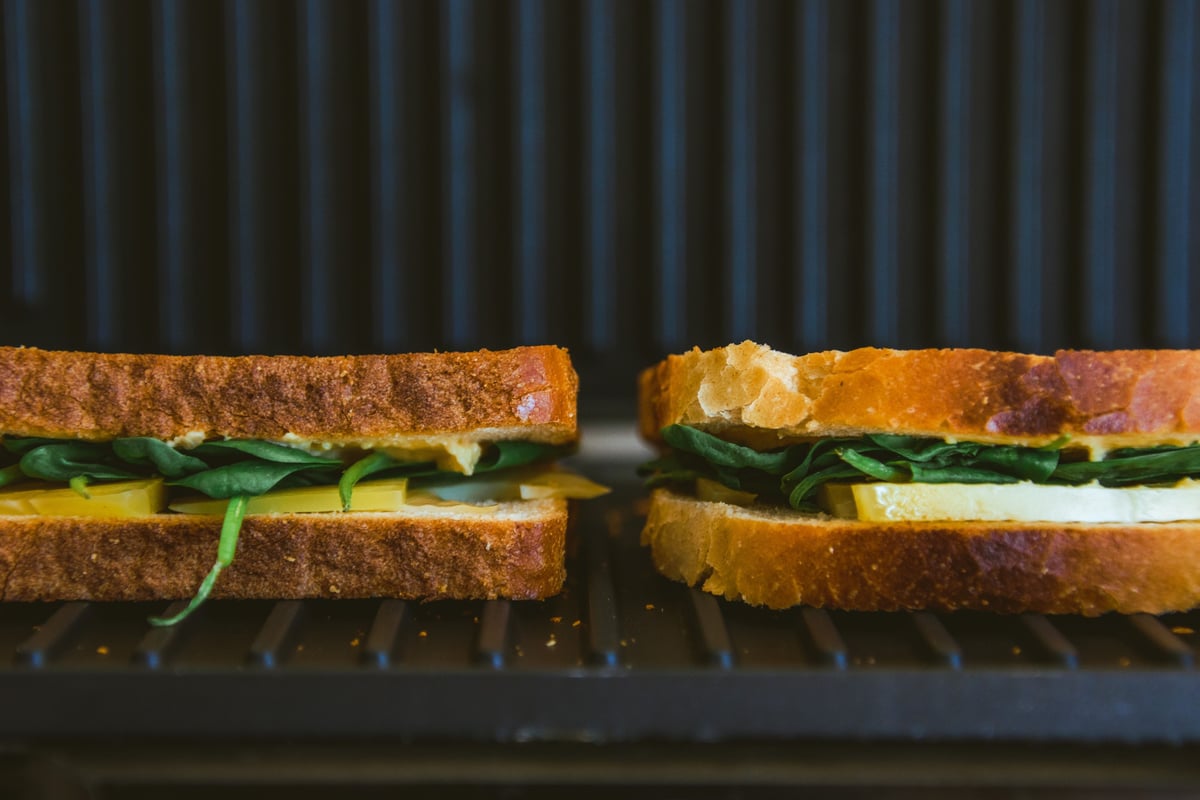
At the Greenhouse
The panini is built on whatever's come out of the beds that week — grilled and layered with an aged wheel from the creamery, which melts slowly enough to hold the vegetables together instead of running out the sides. The bread is the only part that arrives by truck.
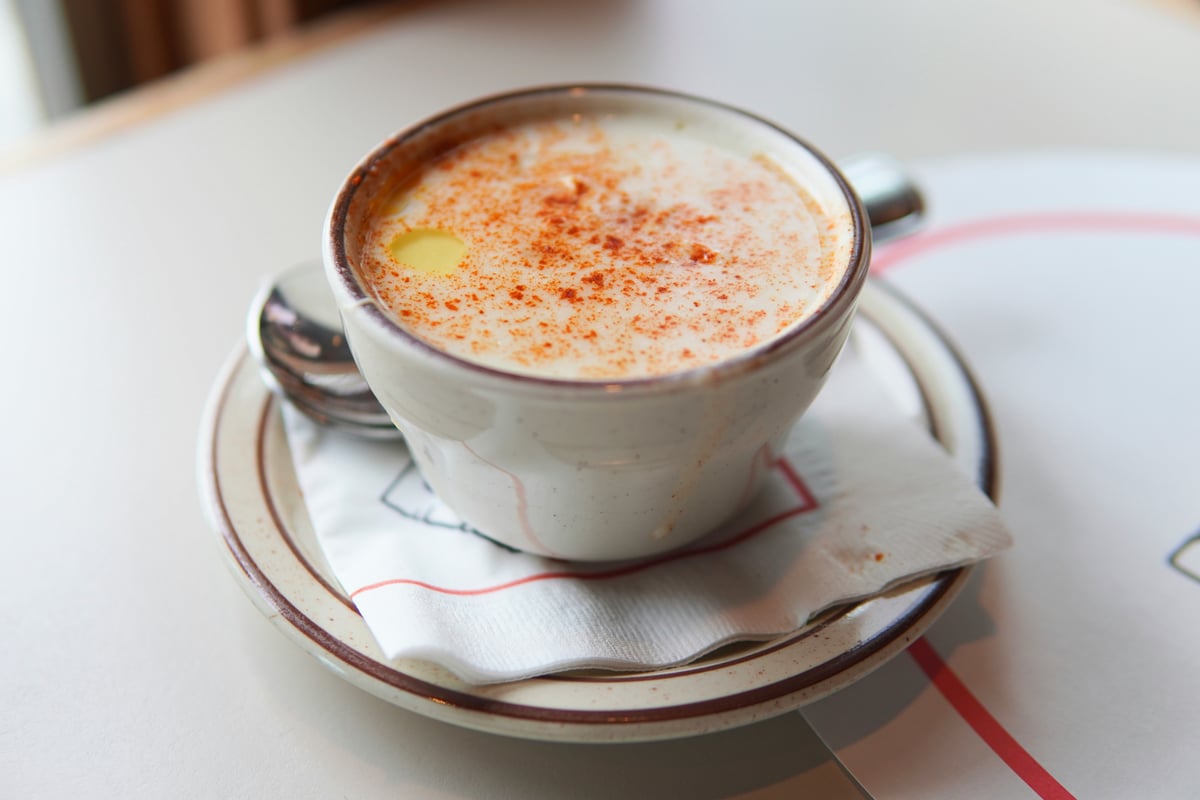
At The Boathouse
The chowder is built on milk from the morning, which is why it's made in one pot each day and stops when it's gone. Bay from the herb beds goes in at the start and comes back out before service.
Honey
Hives at the edge of the orchard, set there for the trees rather than for the honey — the bees work the blossom in spring, and what they make the rest of the year is the surplus. It's pulled once in late summer and jarred a few dozen at a time, so it runs out most years before the next crop.
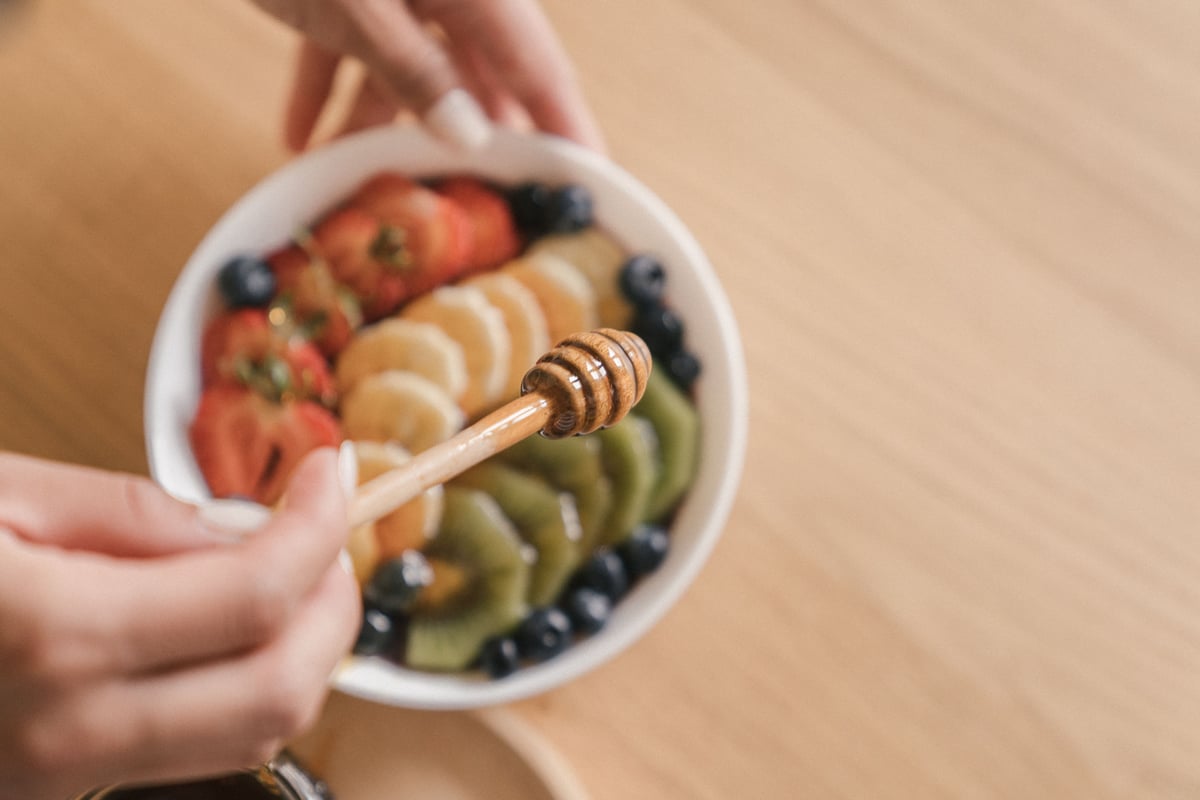
At The Greenhouse
A spoonful over fresh cheese from the creamery, with bread and whatever fruit is in from the orchard. It's the plainest thing the kitchen sends out and the one where you can taste the orchard twice — once in the honey, once in the fruit.
At The Smokehouse
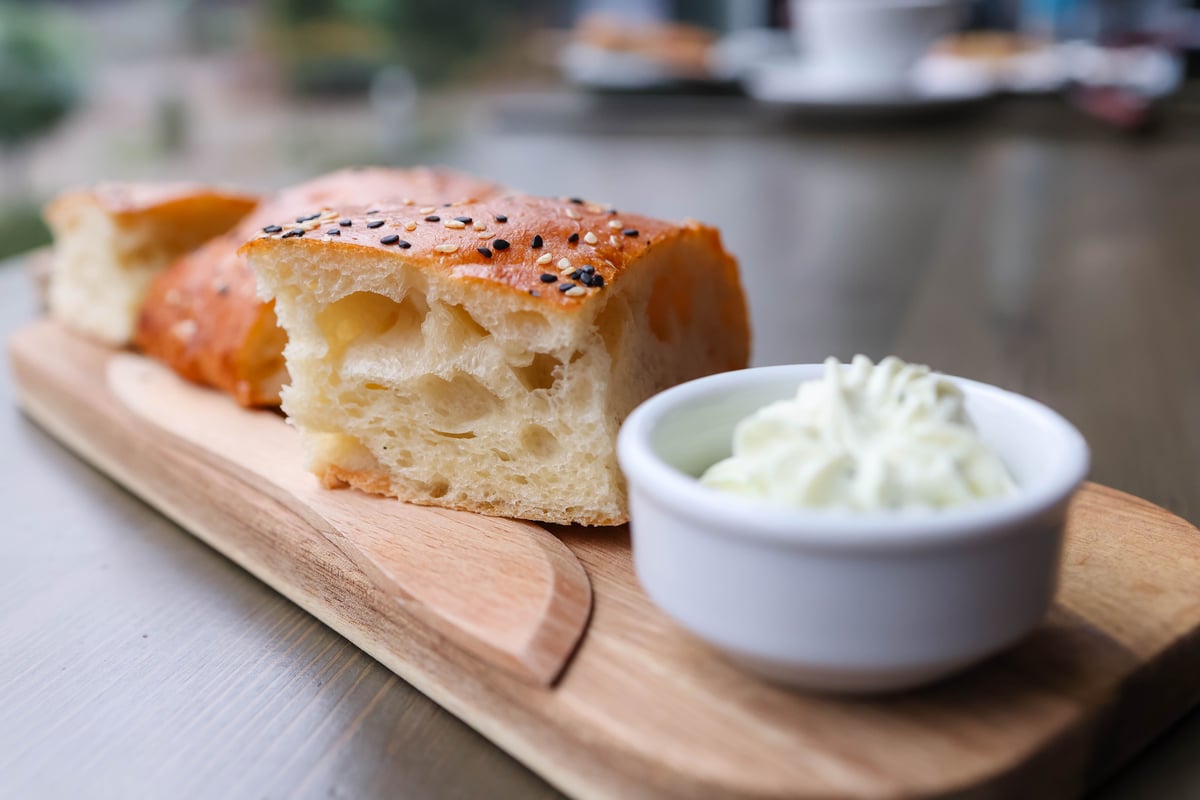
Honey butter, whipped and served warm with bread baked that morning. It's the only thing on that menu with no smoke in it, which is why it works.
Elsewhere
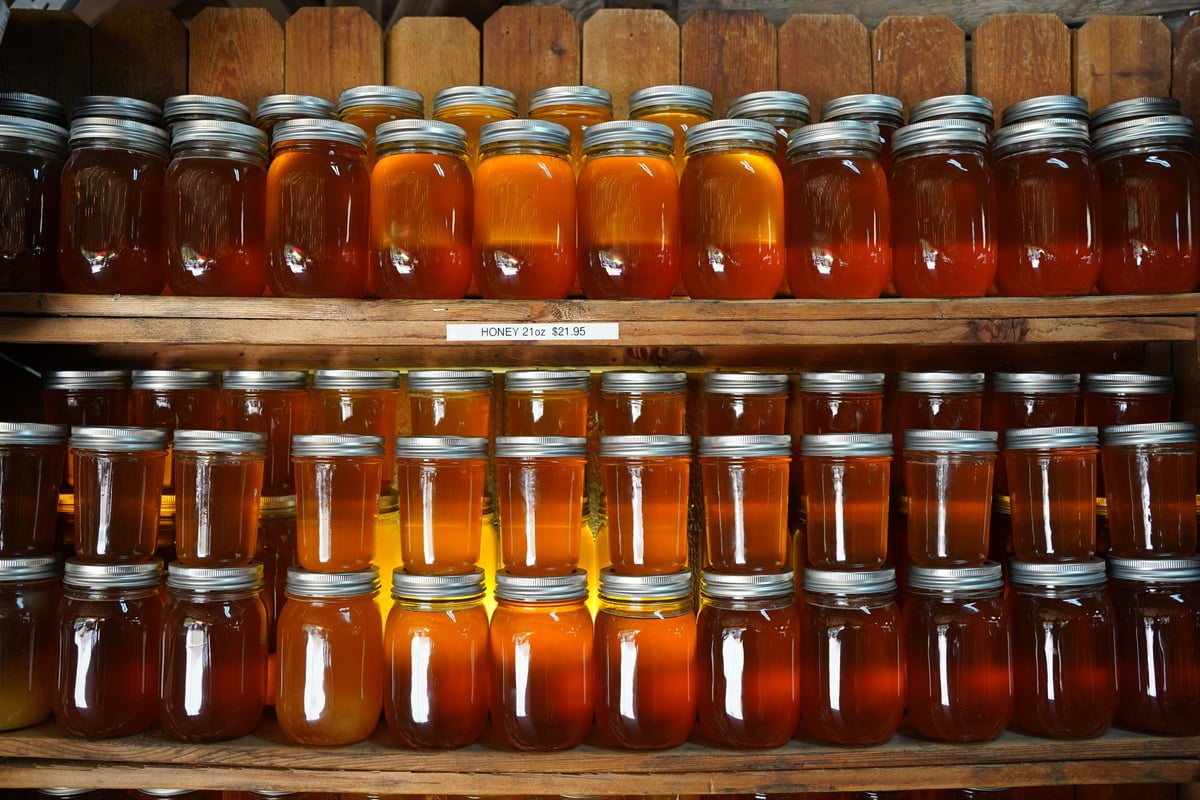
Jars are sold out of the shed at the orchard and at Plaza Café, next to the apples. When the year's pull is gone, it's gone.